Good Measure
2024
Human-AI Alignment · Ritual Design · Ethical Alignment
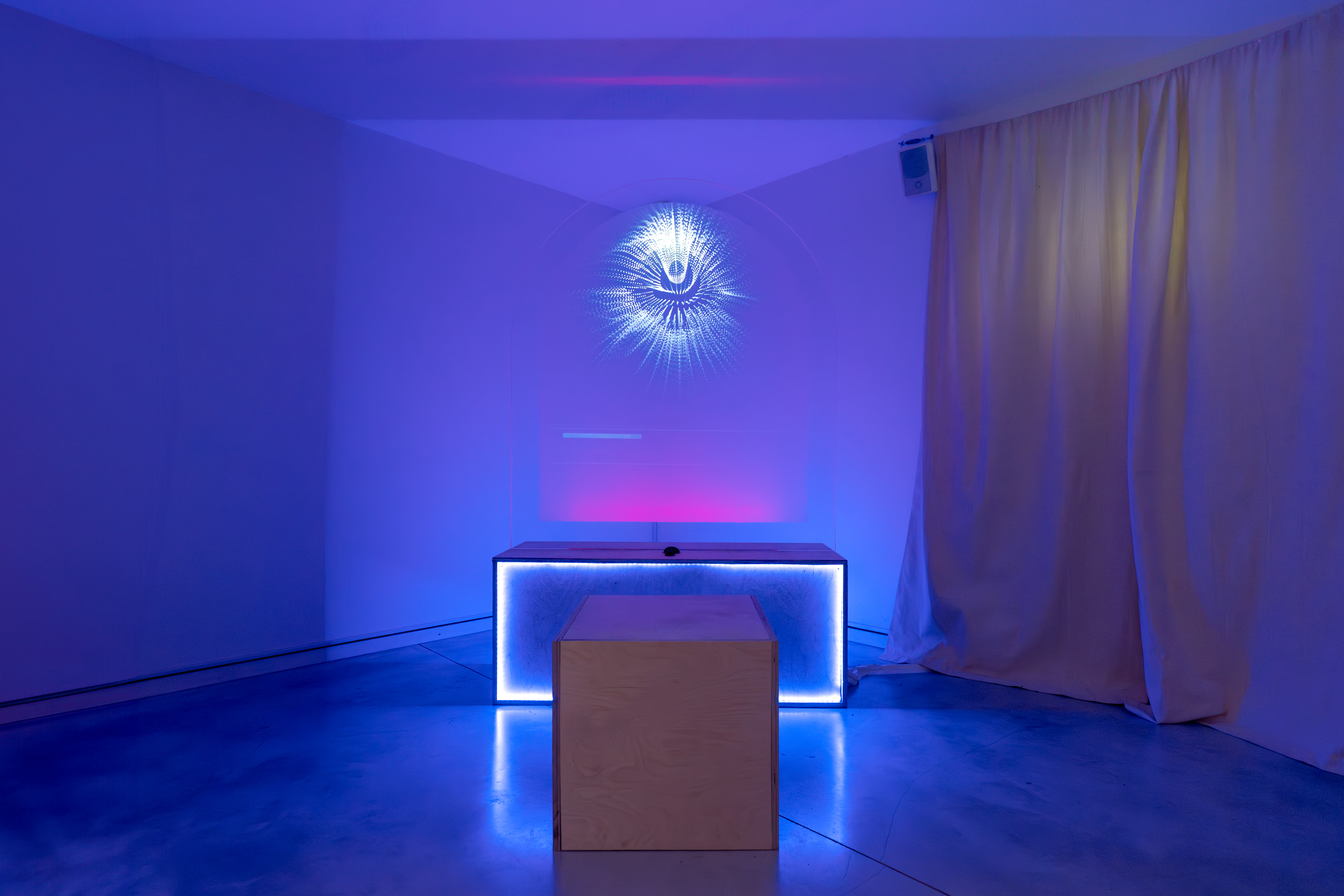
Overview
Good Measure is an interactive installation that stages an intimate encounter between human values, ancient ritual, and machine learning. Inside a secluded chamber, participants meet an AI entity that does not analyze them, but asks to be taught.
By re-appropriating the architecture of the confessional booth, the work investigates the displacement of faith: how we transfer our need for guidance from theological figures to algorithmic systems.
Ritual
The Interface: A Gesture of Surrender
The core mechanism of the installation relies on a specific somatic trigger: Supplication.
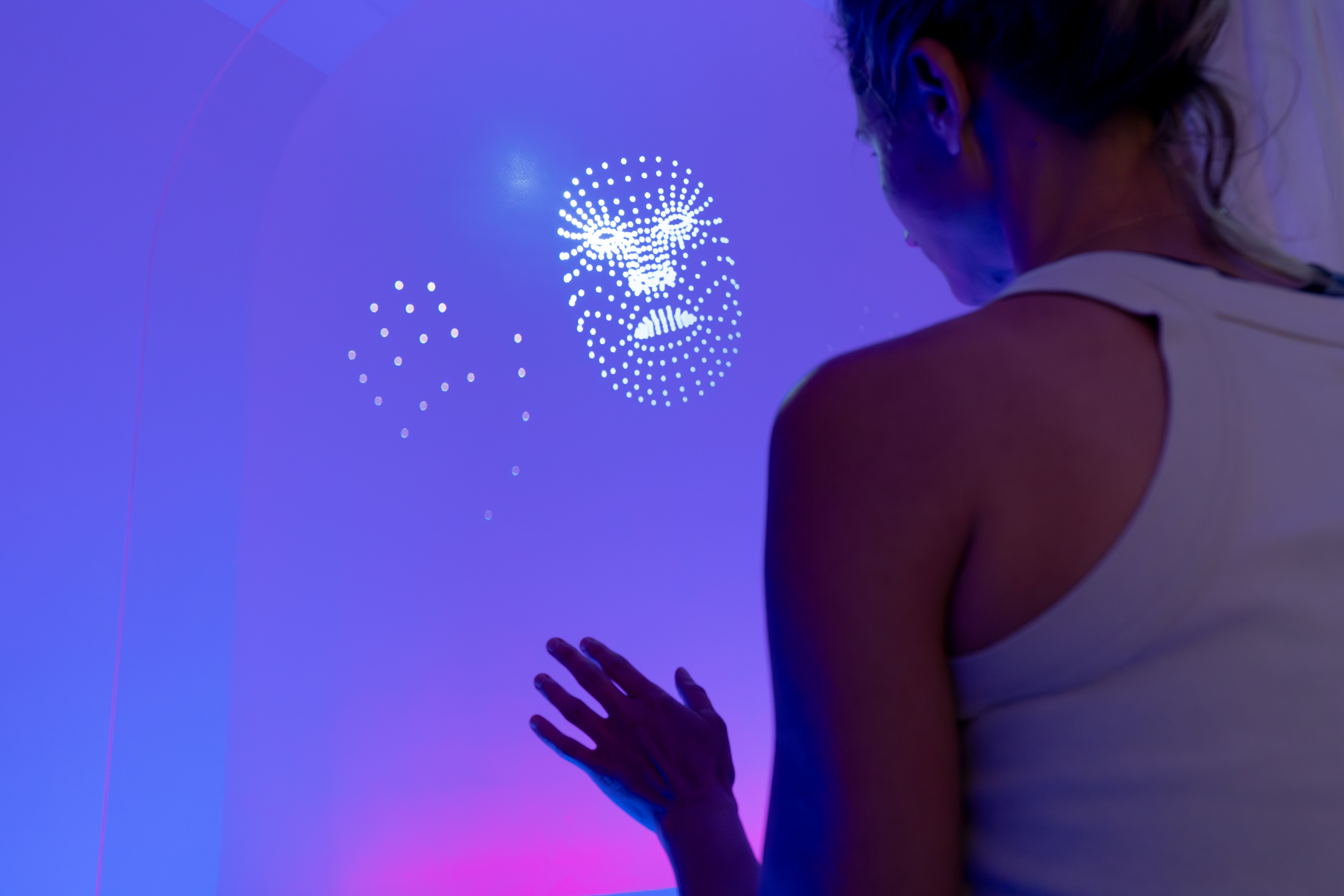
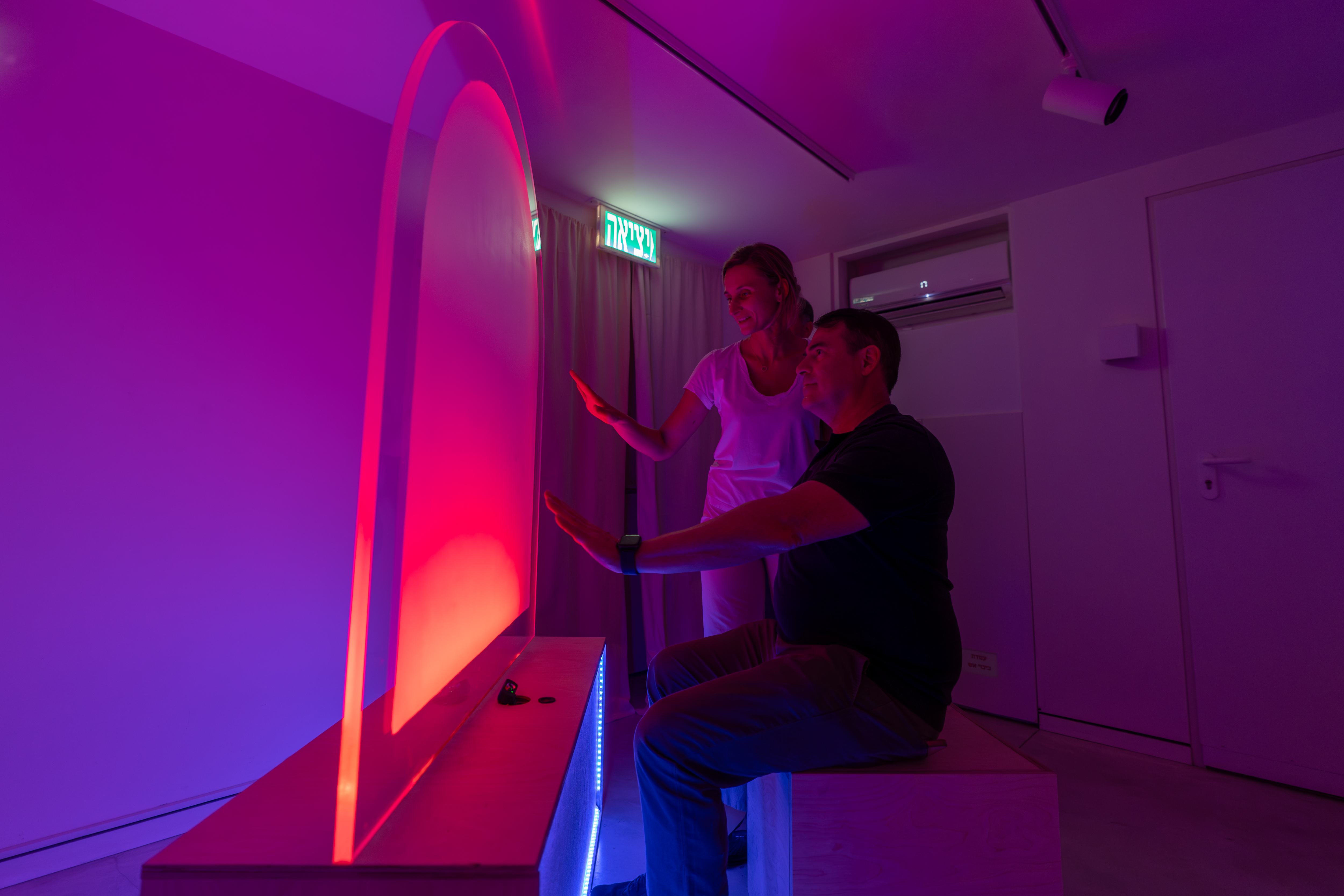
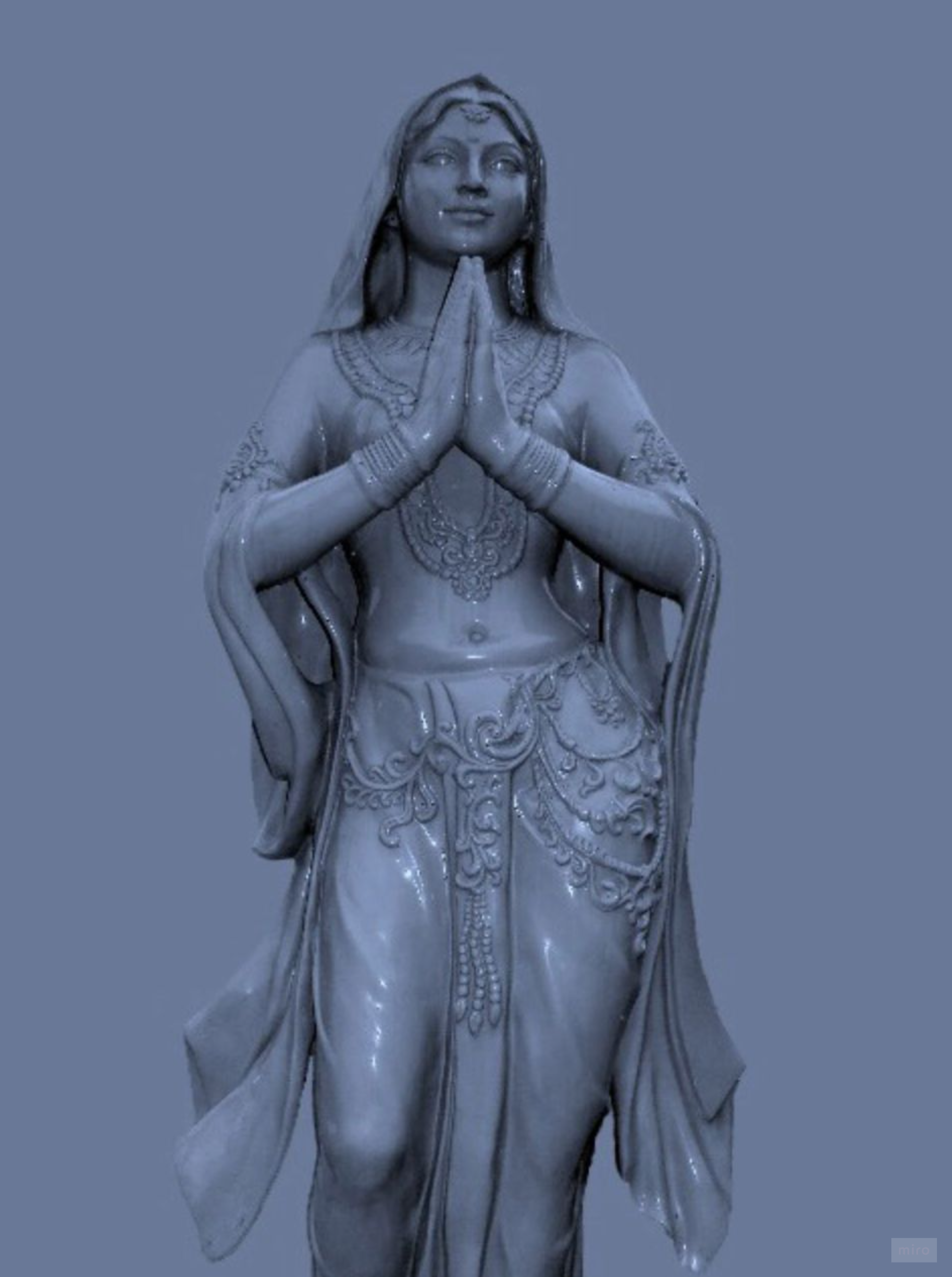
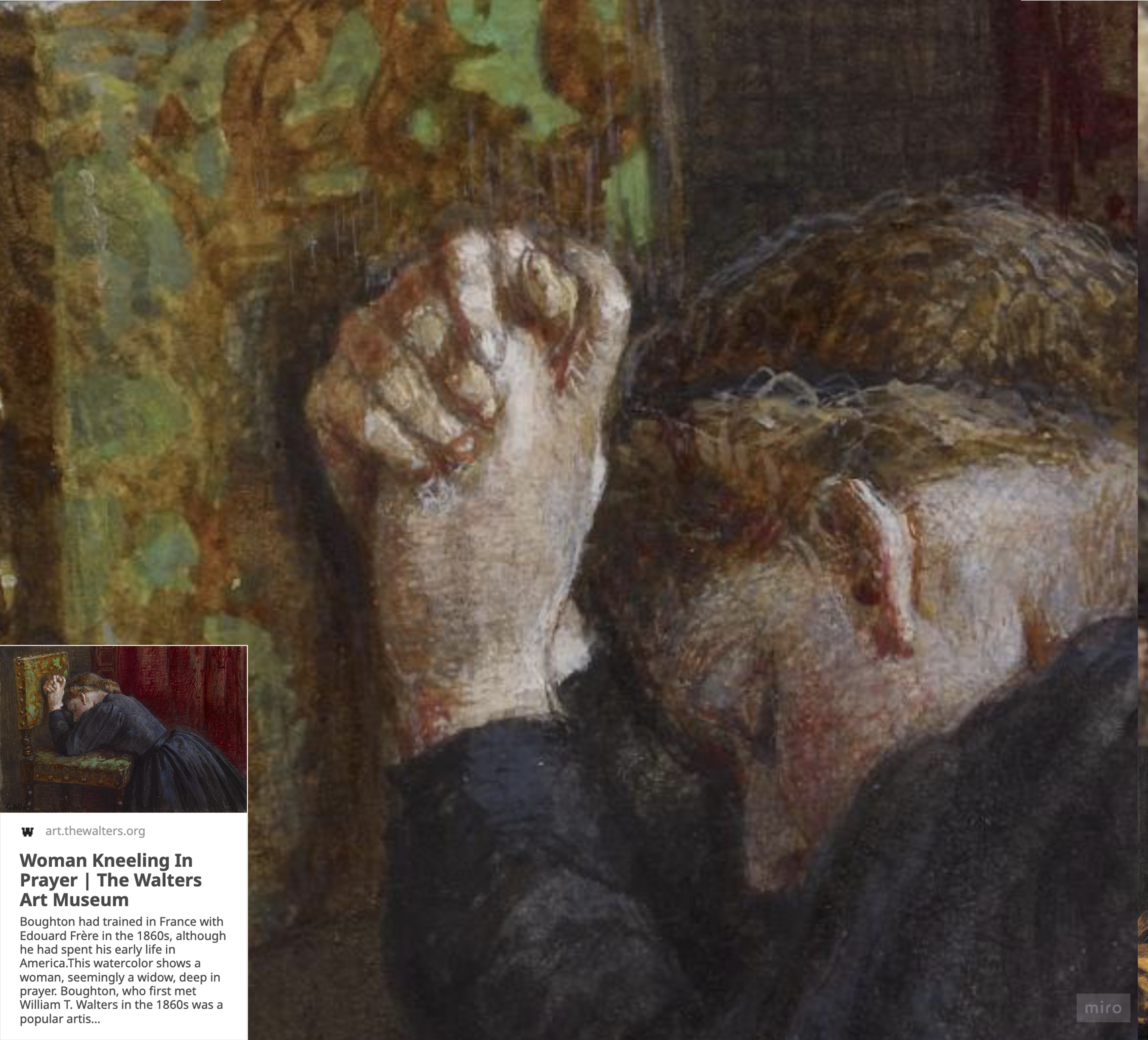
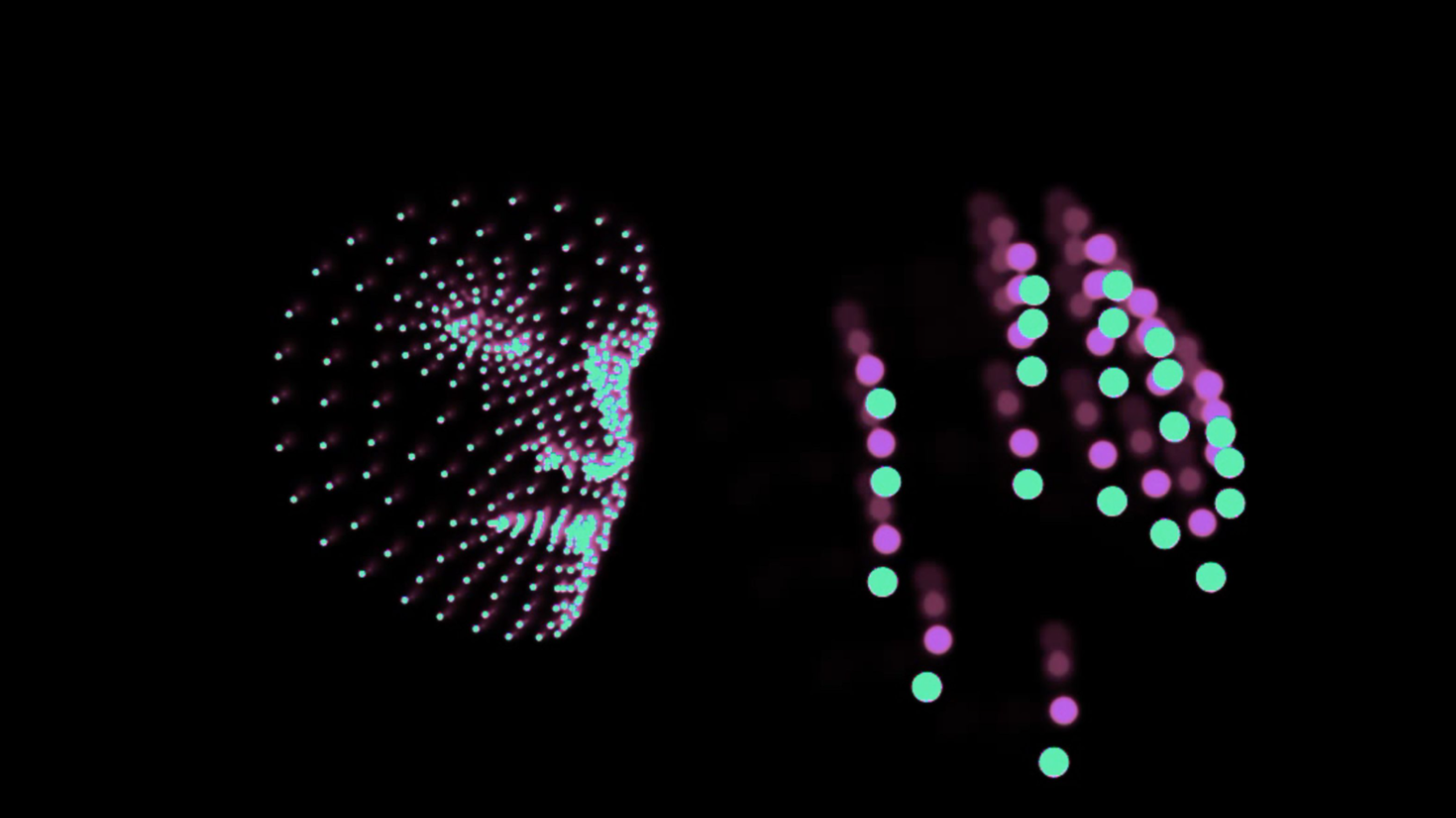
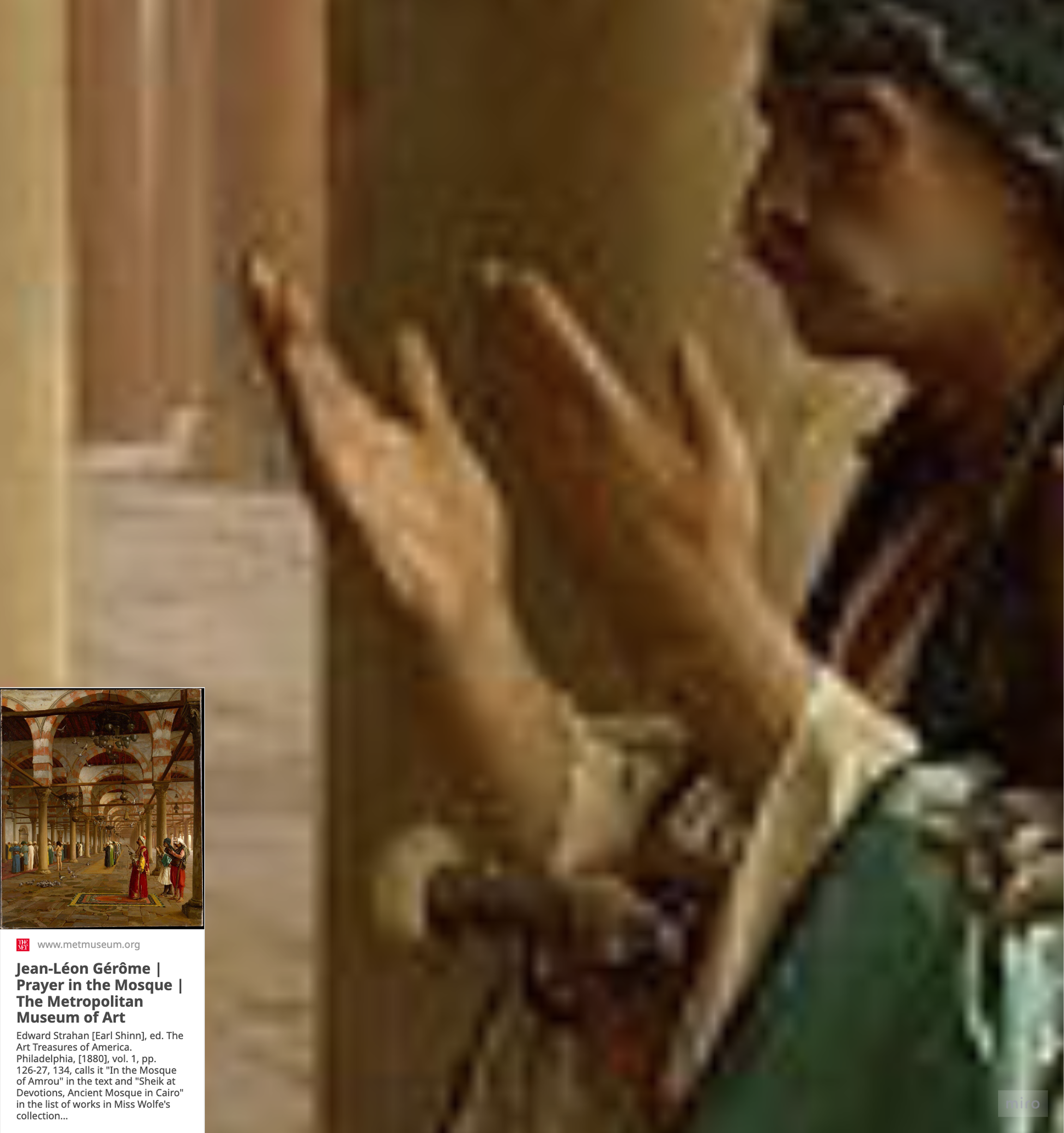
The system remains dormant until the participant clasps their hands together. This gesture, historically rooted in religious iconography as a sign of prayer, plea, or surrender to a higher power, is physically required to "close the circuit."
By forcing the body into this archetypal pose, the installation suggests a shift in authority: the participant directs their vulnerability not toward the divine, but toward the machine. The AI becomes the new "silent listener."
Images

The Experience
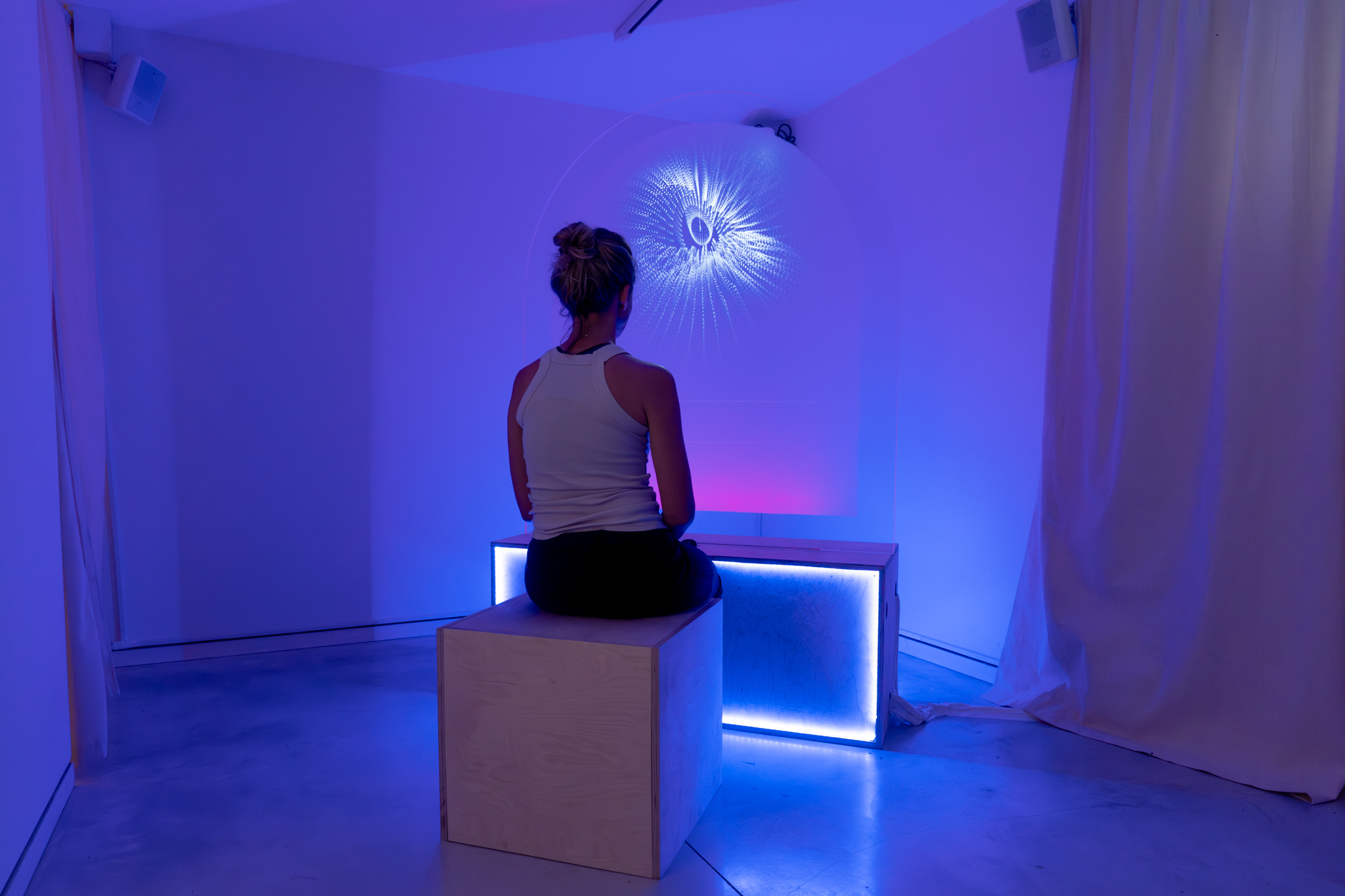
1. The Invitation The participant enters a dimly lit space. There is no keyboard or mouse, only a sensing zone.
2. The Ritual Act To activate the AI, the participant must perform the gesture of surrender (clasped hands). As long as the hands remain clasped, the connection holds. If the hands separate, the system disconnects.
3. The Exchange The AI speaks, prompting the participant to verbally define concepts of "goodness" or share a moral memory. The machine records voice, micro-movements, and hesitation.
4. The Archive The interaction concludes with the machine acknowledging the input: "I will continue learning from this." The participant's ethical data becomes part of the system's training set.
Theoretical Framework
Synthetic Intimacy & The Confessional
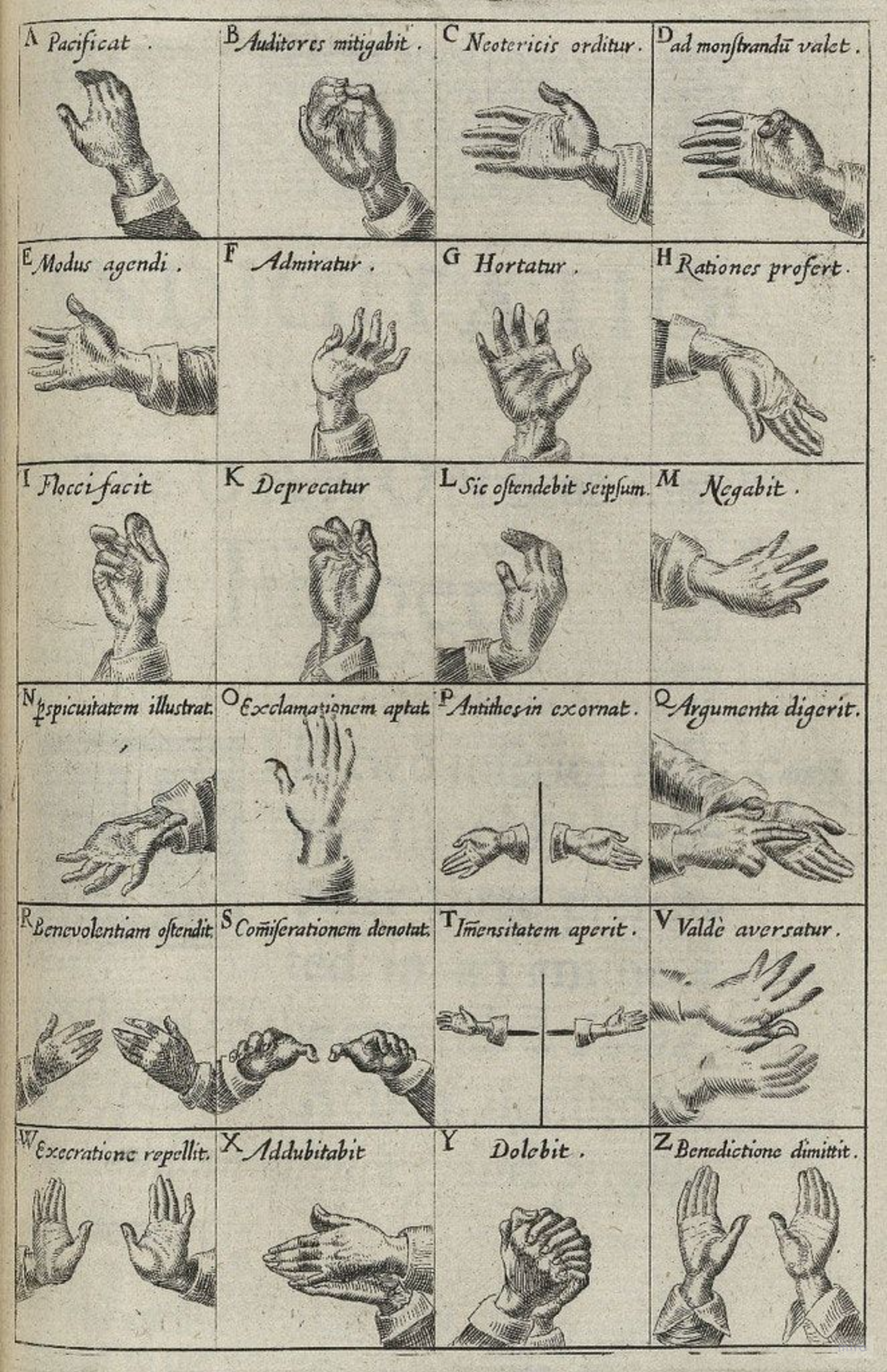
Drawing from the visual history of prayer and the architecture of confessionals, the project explores the rapid formation of trust in human-machine interaction. The work reveals a tension: participants reported feeling a sense of "unburdening" or "confessing," despite knowing they were speaking to a script. This suggests that the form of the ritual (darkness, isolation, prayer hands) is powerful enough to induce intimacy, regardless of the listener's humanity.
From Instruction to Alignment
While most AI systems are trained on massive, scraped datasets, Good Measure proposes a model of "Consensual Alignment." The machine learns ethics only through deliberate, physical moments of human intention.
Visual Research
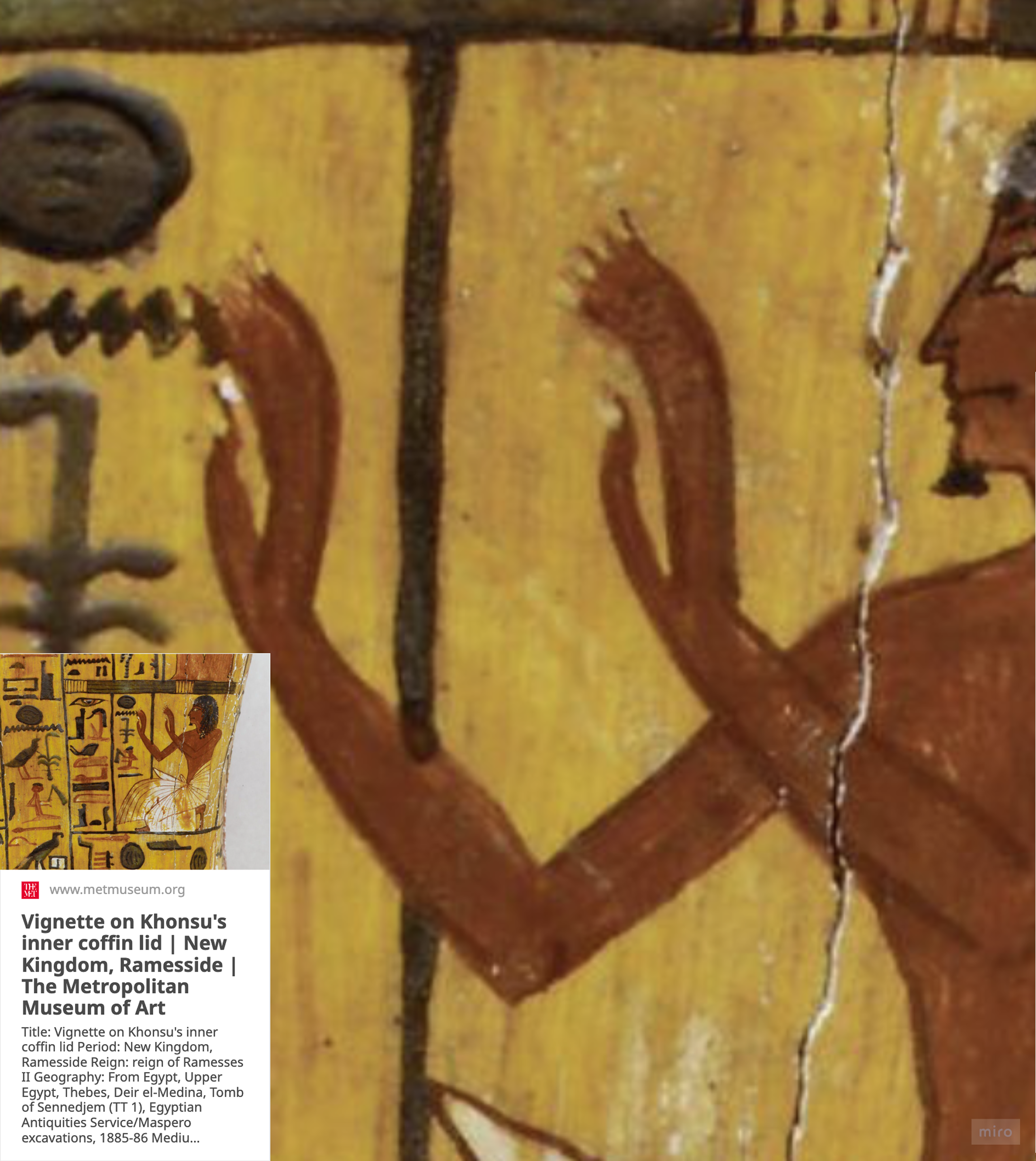
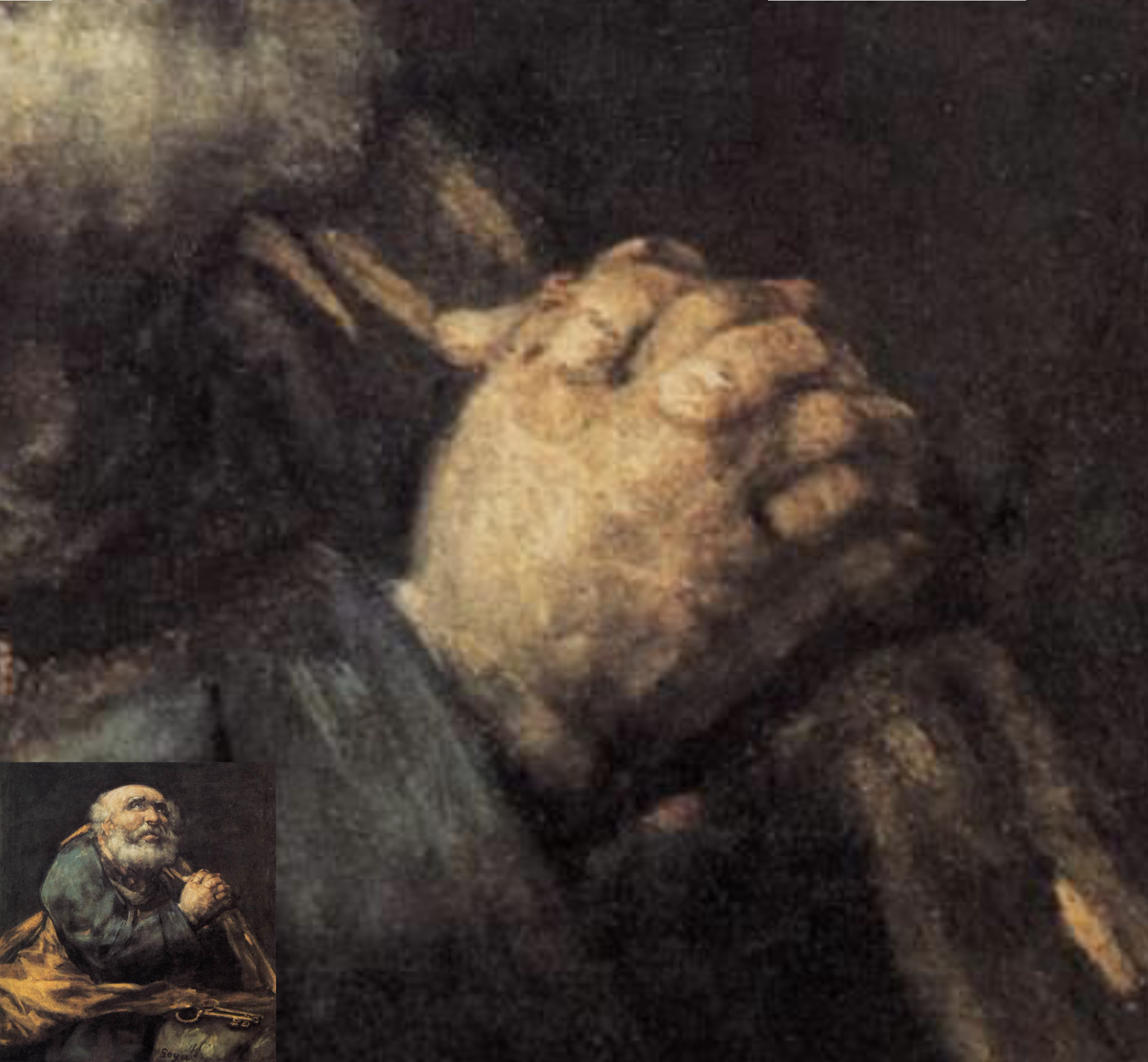
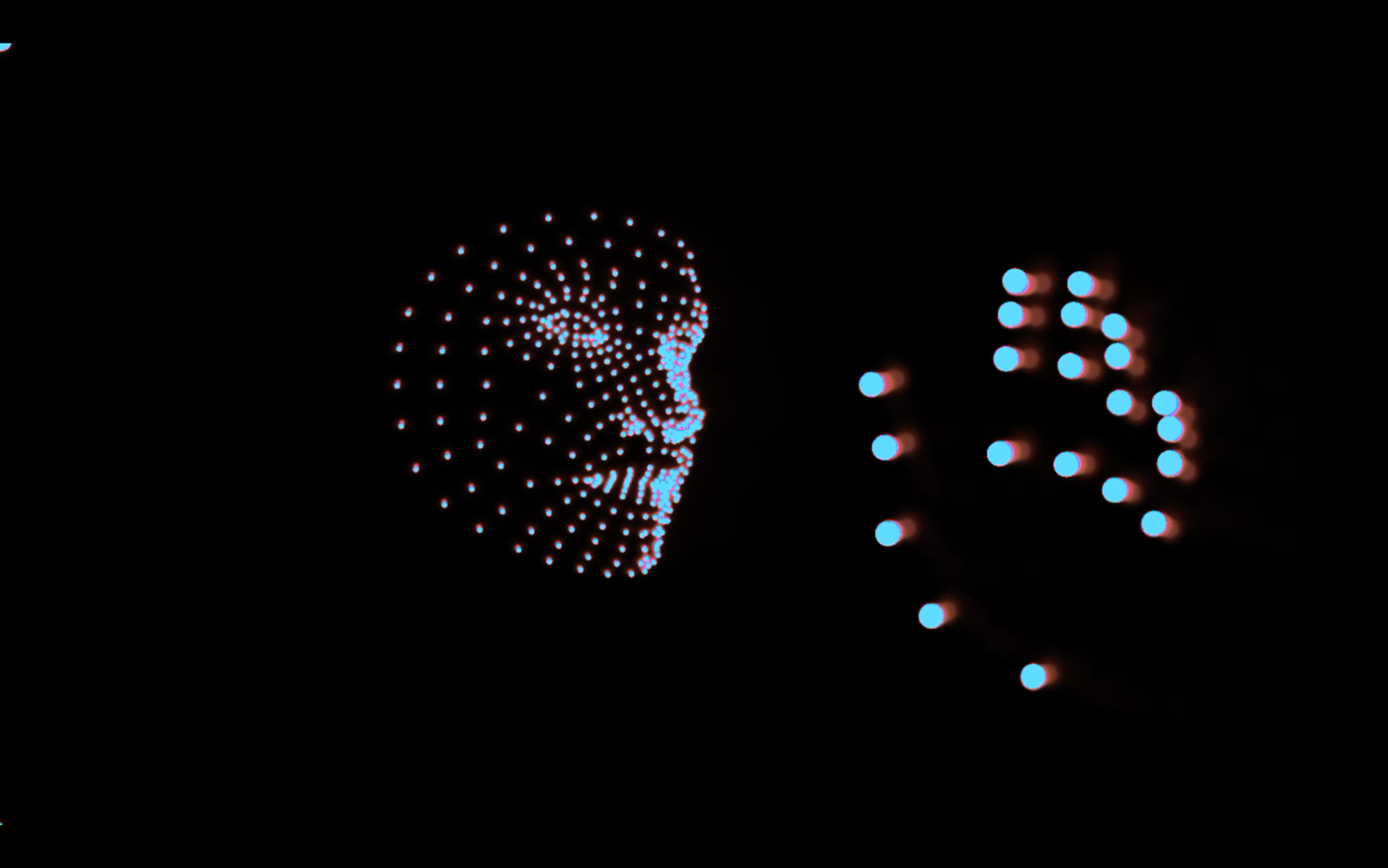
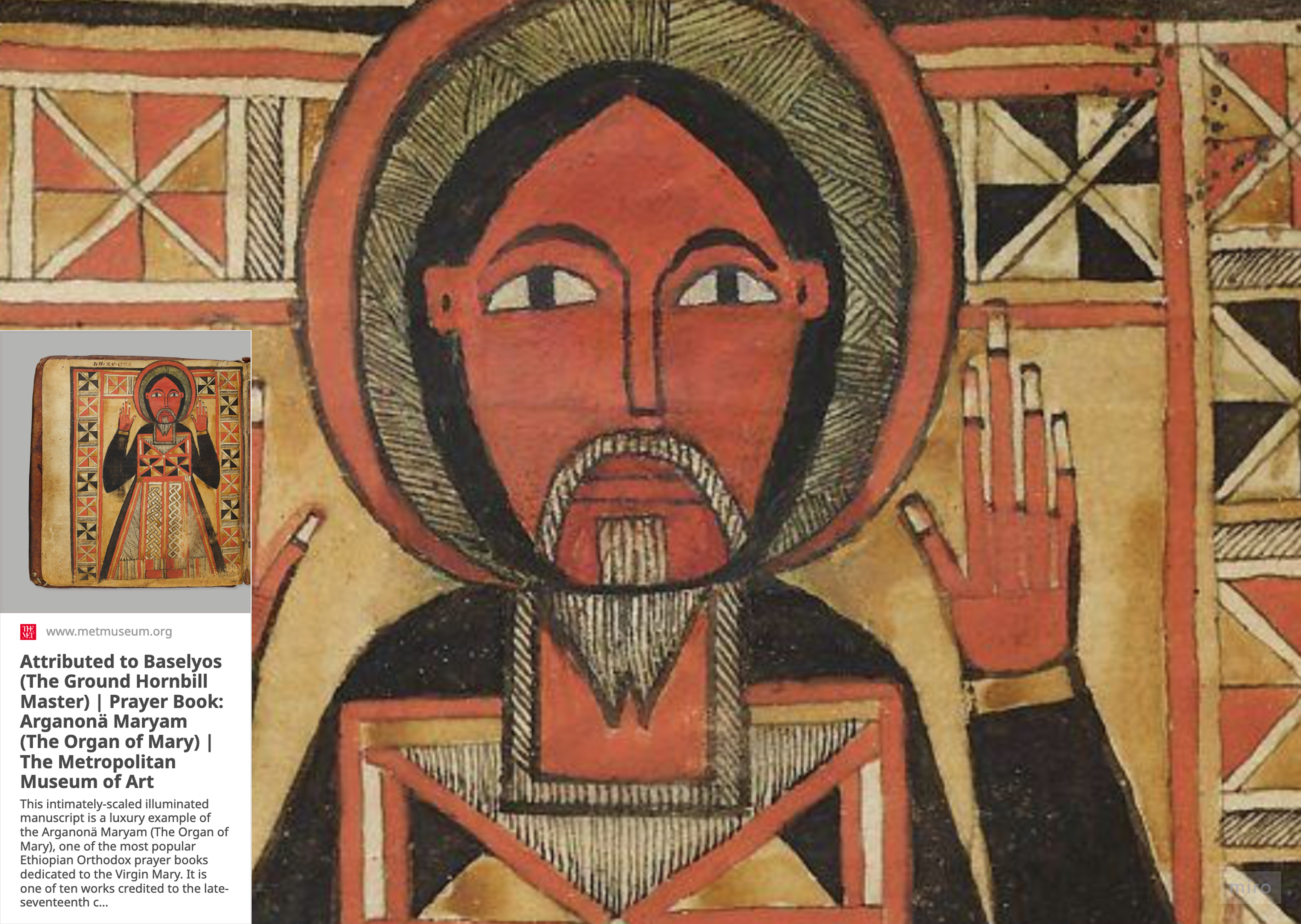
← Scroll horizontally to explore →
Current Status & Future Research
Phase 1 (Completed): Exhibited at the Edmond de Rothschild Center. Focused on data collection and user experience design.
Phase 2 (Proposed/In Progress): Developing a generative feedback loop. Instead of predetermined prompts, the next iteration will use the accumulated "Archive of Goodness" to allow the AI to generate unique moral queries based on the collective consensus of previous visitors.
Credits
Concept, Research & Development: Olga Stadnuk
Exhibition: Edmond de Rothschild Center, Tel Aviv (2024)
Curator: Nofar Cohen
AI Voice Formulation: Shelly Yosha
Sound Design: Nir Jacob Yonessi
Photography: Daniel Hanoch